 Pin It
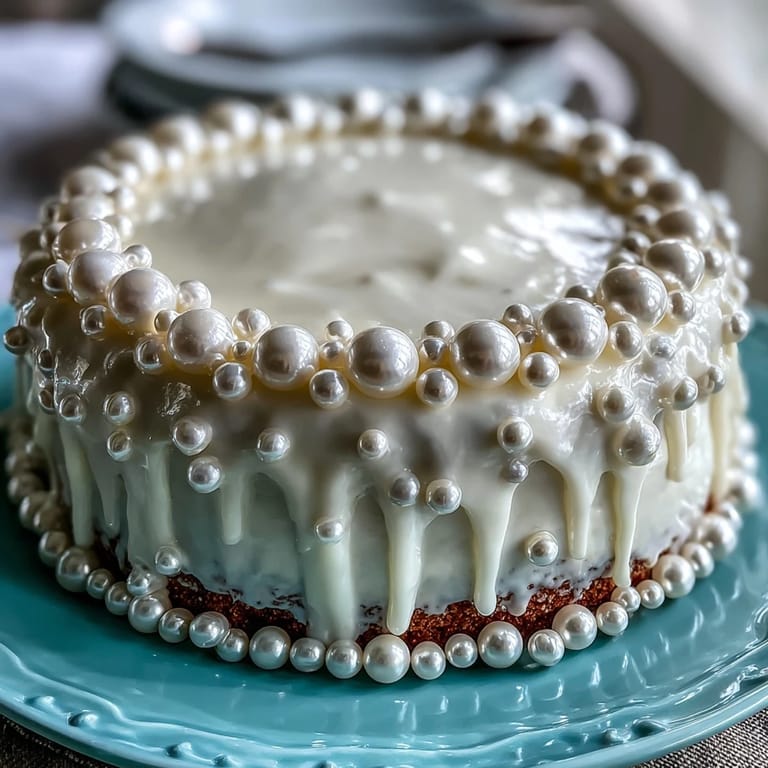
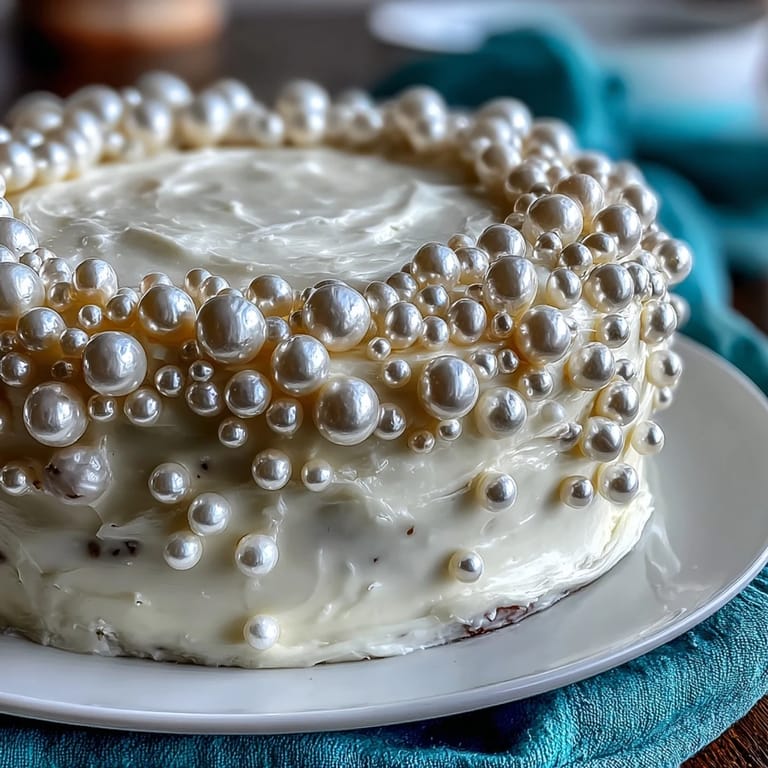
 My cousin's First Communion fell on a gray spring morning, and I'd volunteered to bring the cake without really thinking through what that meant. Standing in my kitchen at 6 AM with flour dust in my hair, I realized I'd never worked with fondant before, only heard whispered stories about how finicky it could be. But something about creating a cake that would sit at the center of her celebration—surrounded by family photographs and careful traditions—made me want to get it right. This sheet cake, with its pearl fondant draped like silk, became my way of saying yes to something that mattered.
What I didn't expect was how calm I felt while smoothing that white fondant over the cooled cake, how meditative the whole process became once I stopped worrying about perfection. My daughter wandered in, watched for a moment, and asked if we could add pearls in the shape of a cross together—suddenly this wasn't just my project anymore. When my cousin walked into the kitchen and saw it sitting there, the way her face lit up told me everything about why these details matter.
Ingredients
- All-purpose flour (3 cups): The foundation of a tender crumb—measuring by weight instead of volume makes an enormous difference if you have a kitchen scale.
- Baking powder (2½ teaspoons): Fresh baking powder is crucial here; old powder loses its lift, so check that expiration date.
- Granulated sugar (2 cups): This creams with butter to create the light, airy texture that keeps the cake from feeling dense.
- Unsalted butter (1 cup plus 1 cup for buttercream): Room temperature butter is non-negotiable—cold butter won't incorporate properly and you'll end up with a lumpy batter.
- Eggs (4 large, room temperature): Temperature matters because cold eggs won't emulsify smoothly into the batter.
- Whole milk (1¼ cups): The dairy keeps this cake incredibly moist; don't skip it or substitute with water.
- White ready-to-roll fondant (2 lbs): Buy from a reputable baking supply or grocery store—quality fondant rolls more smoothly and tastes less plasticky.
- Pearl luster dust: This is what gives your cake that luminous, almost otherworldly quality that makes people stop and look twice.
- Edible pearls (optional but worth it): These catch the light and add dimension that photographs beautifully.
Tired of Takeout? 🥡
Get 10 meals you can make faster than delivery arrives. Seriously.
One email. No spam. Unsubscribe anytime.
Instructions
- Prepare your workspace:
- Preheat your oven to 350°F and grease that 12x18-inch pan generously, then line it with parchment paper so your cake lifts out without sticking. Having everything ready before you start mixing is the move that stops stress from building later.
- Mix your dry ingredients:
- Whisk together flour, baking powder, and salt in a medium bowl and set it aside. This pre-mixing ensures the leavening distributes evenly throughout the cake rather than creating weird pockets.
- Cream butter and sugar:
- Beat softened butter and granulated sugar together for about three minutes until it's pale and fluffy—this is where air gets incorporated, which keeps your cake tender. You should be able to see the color change, and it should look almost cloud-like.
- Add eggs and vanilla:
- Drop in eggs one at a time, beating well after each addition so they emulsify properly into the butter mixture. This prevents that broken, separated look in your final batter.
- Alternate flour and milk:
- Start with flour, then milk, then flour again, ending on flour—this method keeps the batter smooth and prevents overmixing, which toughens the cake. Mix gently until just combined; you want some faint flour streaks still visible.
- Bake with patience:
- Pour into your prepared pan and smooth the top, then bake for 30-35 minutes until a toothpick comes out clean. The kitchen will smell incredible, and you'll be tempted to check it constantly—try to resist.
- Cool properly:
- Let the cake sit in the pan for 10 minutes before turning it out onto a wire rack to cool completely. This resting time lets it set enough to turn out without crumbling.
- Make your buttercream:
- Beat softened butter until creamy, then gradually add sifted powdered sugar, milk, vanilla, and salt, beating until fluffy. This buttercream acts as an adhesive layer that keeps your fondant in place.
- Crumb coat the cake:
- Once the cake is completely cool, spread a thin, even layer of buttercream over the entire surface and sides. This seals in crumbs so they don't get trapped under your fondant.
- Roll and drape the fondant:
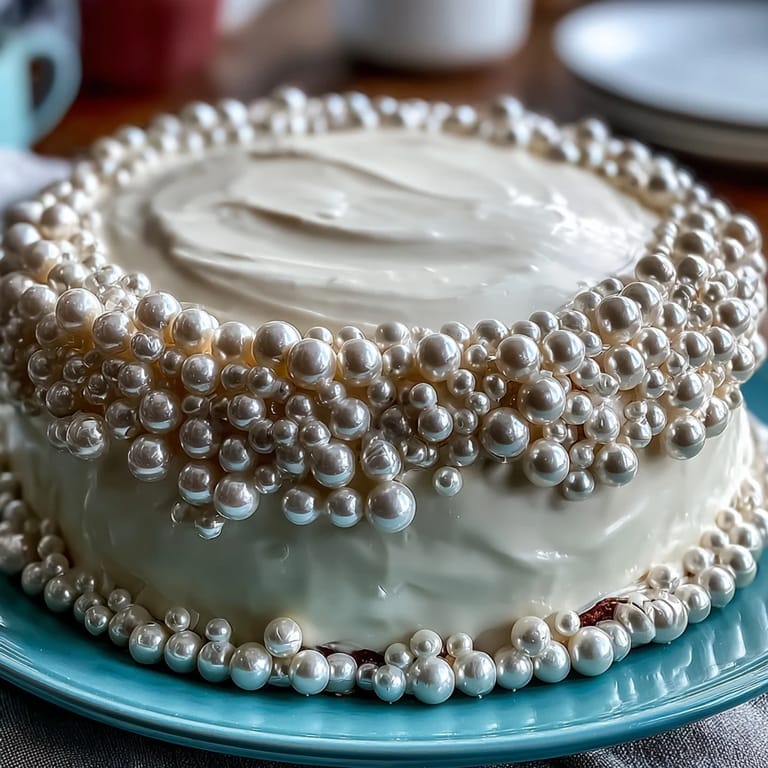
- Dust your work surface with powdered sugar, then roll out fondant to about 1/8-inch thickness—try to keep it uniform so it drapes evenly. Lift it carefully and drape it over the cake, then smooth it gently with your hands or a fondant smoother, working from the center outward to avoid air bubbles.
- Trim and adhere decorations:
- Trim excess fondant with a sharp knife, then brush lightly with water where you want to add edible pearls so they stick. Dust with pearl luster dust using a dry food-safe brush for that luminous finish.
- Add shine and set:
- If you want extra polish, lightly brush a mixture of corn syrup and water across the surface, then arrange your edible pearls in whatever pattern speaks to you—a cross, a chalice, or a simple elegant border. Let everything set for at least 30 minutes before serving.
 Pin It
 There's a moment when you first lay that fondant over your cake, smooth it with your palms, and realize it actually worked—you've created something that looks like it belonged in a bakery window. That moment, that quiet confidence that comes from doing something careful and beautiful with your hands, is what this recipe gives you.
Why This Cake Works for Celebrations
Sheet cakes have this understated power—they're not trying to be fancy or complicated, yet when you dress them up in fondant, they become something memorable. The butter-to-flour ratio here is generous enough to keep everything tender and moist even if it sits around for a few hours, which matters when you're coordinating a party where people arrive at different times. I've learned that simple cakes that taste genuinely good always trump overly complicated ones that look impressive but taste like sweetened cardboard.
Working with Fondant Without Losing Your Mind
The first time I rolled out fondant, I treated it like delicate pastry and it tore everywhere—I've since learned that fondant actually needs a firmer hand and confidence. If you're nervous, dust your work surface with powdered sugar and keep a small bowl of water nearby; water is your friend when fondant tears because you can smooth it back together and nobody will ever know. The pearl luster dust is forgiving too—you can always apply more if you want it darker, and there's no such thing as too shimmer when you're celebrating.
Making This Cake Your Own
This is where personal touches matter most—fondant takes whatever decorations you dream up, so you can create something that feels specific to whoever you're celebrating. Some people add delicate pearls in the shape of a cross, others create a simple elegant border, and I've seen beautiful versions with piped buttercream under the fondant adding texture and interest. The cake itself is a blank canvas, which means your creativity becomes part of what makes it special.
- Consider adding almond extract mixed with the vanilla for a more sophisticated, subtle flavor that feels less one-note.
- Fondant colors beautifully if you want to move away from pure white—just add food coloring sparingly and knead it in until the color is even.
- If you're nervous about the whole fondant situation, you can absolutely serve this cake with a beautiful buttercream instead and it will still taste and look wonderful.
 Pin It
 This cake reminds me that the most meaningful celebrations don't need to be complicated—they just need to be made with intention and genuine care. Whenever someone takes the time to hand-make something beautiful for a moment that matters, that's what people actually remember.
Recipe FAQs
- → What kind of flour is best for this cake?
All-purpose flour provides the right structure and tenderness ideal for a moist sheet cake.
- → How do I achieve a smooth fondant finish?
Rolling the fondant evenly to about 1/8-inch thickness and smoothing it carefully over the buttercream layer ensures a sleek finish.
- → Can I substitute any ingredients for flavor variation?
Yes, almond extract can replace half the vanilla for a lighter, nutty aroma without altering texture.
- → How long should the cake cool before decorating?
Allow the cake to cool completely on a wire rack to prevent fondant from melting or sticking unevenly.
- → What is the purpose of the buttercream under the fondant?
It helps the fondant adhere smoothly and adds a creamy layer enhancing flavor and texture.
- → Are there presentation tips for the pearl decorations?
Lightly brush water on the fondant to secure edible pearls and use luster dust for a shimmering effect that highlights details.